


Protecting the promise of ADA for future generations
July 27, 2026



The following article was written by Dr. Sue ElHessen, Ms. Wheelchair California.
As we celebrate the 36th anniversary of the Americans with Disabilities Act (ADA), we honor one of the most significant civil rights laws in American history. Signed into law on July 26, 1990, the ADA transformed our nation by prohibiting discrimination against people with disabilities and ensuring equal opportunity in education, employment, transportation, public accommodations, telecommunications, health care, and community life.
Yet anniversaries are more than celebrations — they are reminders that the work of protecting civil rights is never complete. Today, as discussions continue around changes to federal education programs and the restructuring of services that support students with disabilities, we must recommit ourselves to preserving the rights generations before us fought so hard to secure.
The ADA did not become law without sacrifice. We stand on the shoulders of courageous disability advocates who refused to accept exclusion. One of the defining moments in disability rights history was the Capitol Crawl in March 1990, when individuals with disabilities left their wheelchairs, walkers, and crutches to crawl up the steps of the U.S. Capitol. Their powerful demonstration made visible the barriers millions faced every day and helped persuade Congress to pass the ADA just months later.
Their message was simple: disability rights are civil rights.
Today, that message remains just as relevant.
For students in kindergarten through 12th grade, the ADA works alongside the Individuals with Disabilities Education Act (IDEA) and Section 504 of the Rehabilitation Act to ensure students with disabilities have equal access to education. These laws require schools to provide reasonable accommodations, remove barriers to participation, and create learning environments where every child has the opportunity to succeed.
IDEA provides funding and guarantees a Free Appropriate Public Education (FAPE) through individualized educational programs (IEPs), while Section 504 protects students from discrimination and provides accommodations that allow them to fully participate in school. Together with the ADA, these protections have opened doors that were once closed to millions of students.
These laws have allowed students to learn in inclusive classrooms, participate in extracurricular activities, receive assistive technology, access speech and occupational therapy, obtain transportation services, and pursue higher education and meaningful careers.
However, recent proposals to shift or reduce federal education responsibilities and move certain special education programs into other agencies have raised concerns among disability advocates, educators, and families. Many worry that restructuring services could create confusion, reduce accountability, and make it more difficult for students to receive the supports they are legally entitled to receive. Students with disabilities deserve educational systems that are coordinated, accessible, and centered on their individual needs — not systems that increase barriers or uncertainty.
As both an educator and Ms. Wheelchair California 2026, I believe knowledge is one of the most powerful tools for protecting these rights.
My platform focuses on educating teachers, parents, and students about the Americans with Disabilities Act and related disability laws so they become confident advocates. Too often, families are unaware of the accommodations available to their children. Educators may not receive sufficient training on disability rights, inclusive practices, or legal responsibilities. Students themselves frequently do not realize they have a voice in shaping their educational journey.
Advocacy begins with education.
When parents understand the law, they can confidently participate in IEP meetings and collaborate effectively with schools. When teachers understand disability rights, they can create inclusive classrooms that recognize every student’s strengths. When students learn about the ADA, they gain confidence, self-advocacy skills, and the ability to speak up for the accommodations and opportunities they deserve.
Empowerment through education creates lasting change.
The ADA reaches far beyond our classrooms. It protects equal access to health care, ensuring individuals with disabilities receive services without discrimination. It requires accessible transportation systems that connect people to school, work, and their communities. It improves telecommunications through captioning and accessible technology. It expands housing opportunities so individuals with disabilities can live independently within their communities. These protections are interconnected because full participation in society depends upon equal access in every aspect of daily life.
As technology evolves and educational practices change, the ADA continues to provide the framework for ensuring accessibility remains a priority. Whether students are learning in person, participating online, or preparing for future employment, accessibility must never become an afterthought.
The 36th anniversary of the ADA is an opportunity to reflect not only on how far we have come but also on the responsibility we share moving forward. Civil rights are not self-sustaining. They require informed citizens, committed educators, engaged parents, thoughtful policymakers, and empowered students willing to continue the work begun by those who came before us.
The legacy of the Capitol Crawl reminds us that meaningful change often begins with ordinary people demanding extraordinary justice. Because of their courage, millions of Americans have greater opportunities to learn, work, and live independently.
Now it is our turn.
We must continue educating our communities about disability rights, protecting IDEA and the ADA, advocating for inclusive schools, and ensuring every child — regardless of ability — has access to the education and opportunities they deserve.
As we celebrate Disability Pride Month and the 36th anniversary of the Americans with Disabilities Act, let us renew our commitment to equity, inclusion, accessibility, and dignity for all. Together, we can ensure that the promise of the ADA remains strong for future generations and that every student has the opportunity not only to succeed, but to thrive.
Sue ElHessen, Ed.D., is a former school board member and currently holds the title of Ms. Wheelchair California, where her platform includes educating teachers, parents, and students about the Americans with Disabilities Act.
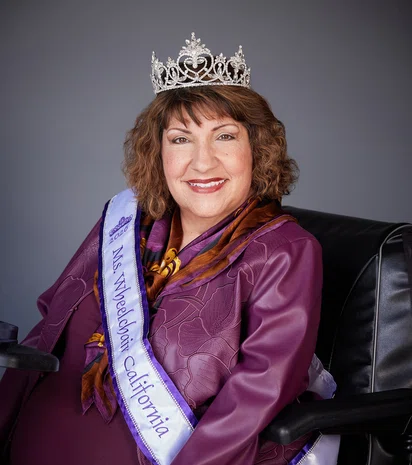
Dr. Sue ElHessen