


Reimagining engagement: Strengthening school partnerships
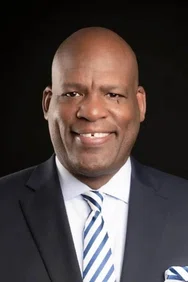
Guest Column by Dr. Don English
February 2, 2026



Parental involvement and community engagement remain essential pillars in improving student outcomes — especially for students who continue to face disproportionate barriers in education. Research consistently shows that strong partnerships between families, schools, and communities foster trust, increase student motivation, and improve overall academic and behavioral outcomes. As California continues to grapple with chronic absenteeism and inequitable disciplinary practices, educators must prioritize culturally relevant, community-centered strategies that uplift marginalized students and elevate youth voice.
The power of engagement: Why parents and communities matter
Strong school–family relationships are linked to improved student achievement, attendance, and school climate. Henderson and Mapp note that regular communication, welcoming environments, and inclusive practices are foundational strategies that meaningfully engage parents. When schools cultivate a culture of belonging and collaboration, parents are more likely to participate in decision-making and support learning at home.
Similarly, partnerships with community organizations deepen support systems for students and families. Bryk and Schneider emphasize that relational trust — built through transparency, respect, and shared responsibility — strengthens school communities and enhances student success. Community organizations, mentors, health providers, and advocacy groups help schools meet the social, emotional, and academic needs of students, particularly those most impacted by systemic inequities.
A context-specific strategy is to organize regular events and collaborative meetings that bring educators, families, and community members together. These gatherings create spaces for shared problem-solving, goal-setting, and engagement in school initiatives designed to support all students.
Addressing chronic absenteeism: A persistent equity issue
Chronic absenteeism remains a significant challenge statewide — and it disproportionately affects African American male students. In the 2022–23 school year, California’s chronic absenteeism rate was 24.9 percent, a decrease from 30 percent the previous year, yet still alarmingly high. Nearly a quarter of students missed 10 percent or more of the school year, placing them at risk academically and socially.
New legislation has reshaped the School Attendance Review Board (SARB) process to ensure student voice is no longer an afterthought but a required component of attendance intervention. Existing law mandates pupil representation on governing boards when petitioned. Assembly Bill 1939 now also requires each county and local SARB to include a pupil representative who already sits on their district or county board of education. This legislation ensures student perspectives guide solutions to attendance and behavioral challenges (AB 1939, Chaptered June 2024). This legislative shift reflects the state of California’s broader commitment to addressing inequities that disproportionately harm marginalized students.
Implementation framework: Culturally relevant practices
1. Districtwide culturally relevant training: To create school environments where all students thrive, districts should implement culturally relevant training for all personnel, which includes:
- Cultural competency and implicit bias training.
- Training on restorative, non-exclusionary practices.
- Culturally responsive leadership and teaching strategies.
Executive cabinet leadership, school administrators, and pupil services personnel must coordinate these efforts. With new legislation mandating interventions to reduce exclusionary discipline, child welfare and attendance administrators must ensure that staff are aware of the updated laws and policies.
2. Collaboration with local experts and community organizations: Districts should partner with culturally responsive organizations, consultants, or university experts to develop professional development tailored to the needs of all students. Steps include:
- Designing a curriculum that reflects students’ cultural backgrounds.
- Involving equity and access administrators, community liaisons, and family engagement staff.
- Leveraging county offices of education for specialized guidance.
3. Decolonizing the curriculum: Reform efforts must include a critical review of curriculum content. This process requires:
- Integrating diverse perspectives across subject areas.
- Challenging Eurocentric narratives.
- Embedding Indigenous knowledge and culturally empowering content.
Curriculum and instruction administrators, in collaboration with community members and culturally competent curriculum developers, must lead this work. School boards and executive leadership will oversee the reforms to ensure sustainable change.
4. Expanding parent and community participation: Schools should prioritize strategies that strengthen parent and community involvement:
- Regular, accessible communication with families.
- Welcoming, inclusive school environments.
- Collaborative events that connect parents, educators, and local partners.
School administration, family engagement personnel, and liaisons for foster and homeless youth will play central roles. Administrators responsible for the Local Control Funding Formula must also ensure funding supports these engagement initiatives.
Building a system that honors all students
Improving outcomes for all students requires intentional, sustained efforts rooted in community partnership, cultural relevance, and student voice. By strengthening family engagement, reforming curriculum, honoring lived experiences, and ensuring students participate in shaping policies that affect them, California can lead the way in developing more equitable and responsive educational practices. The time to act is now — and the roadmap is clear.
Don English, Ed.D., serves as director of Children Deserve Success at the San Bernardino County Superintendent of Schools. He is also the 2025–26 state president of the California Association of Supervisors of Child Welfare & Attendance. In this leadership role, he advocates statewide for data-driven attendance practices, alternative discipline, and comprehensive support systems, while delivering certification training and support to child welfare leaders across California.